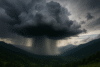
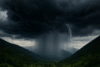
Cloudburst in Kullu 2025 – Causes and Effects
Published: 12 Oct 2025
Introduction
In 2025, district in Himachal Pradesh faced a sudden Cloud Burst that brought heavy rainfall and water flow to its valleys and mountains. Calm rivers turned into rushing streams within minutes. Small villages and fields experienced waterlogging and minor landslides. Tourists visiting were surprised by the intensity of the rainfall.
Cloud burst is a natural event that occurs when clouds carrying large amounts of water release it suddenly over a small area. The mountains of trap clouds and when warm air from the plains meets cold mountain air, the pressure inside clouds increases. Once clouds reach their water limit rainfall happens in minutes often creating strong streams and floods in valleys.
Causes of the 2025 Cloudburst
The 2025 Cloudburst was caused by a combination of warm air currents from the plains and cold mountain air. Clouds formed quickly over the valleys and surrounding areas. Dark clouds sudden winds and drops in temperature were early warning signs observed by locals.
Mountains trapped clouds in the valleys. With rising pressure inside clouds, the water eventually fell rapidly creating a sudden and intense rainfall. This type of rainfall is more common in mountainous regions than in plains due to the blocking effect of the hills.
Impact on Villages and Valleys
Small rivers and streams turned into fast flowing water within minutes.
Roads connecting villages were blocked by mud rocks and fallen trees.
Gardens and fields were underwater and minor damage occurred to houses close to streams.
Soil erosion was significant. Loose soil rocks and plants were carried from higher hills into lower valleys.
Farmers preparing fields for crops faced losses.
Effects on Wildlife
Birds flew to higher grounds to escape heavy rainfall. Small animals moved away from flooded areas. Forest trails became slippery and unsafe. Weak trees were washed away and plants were damaged. Temporary disruption occurred in the local ecosystem due to sudden water flow.
As rainfall slowed wildlife gradually returned to their natural habitats. Forests showed naturally recovering over the following days.
Local Experience
Residents described the rainfall as unexpected and intense. Some villages had to evacuate livestock to safer areas. Roads remained blocked for hours and shops in low lying areas were closed. Tourists visiting during the Cloudburst had to remain in shelters until the rain subsided.
Despite the challenges, locals observed the impact of the rain closely. The sounds of rushing water and wind left lasting memories.
Environmental Impact
The heavy rainfall caused soil erosion landslides and minor stream blockages.
Rivers carried rubble to lower areas.
Trees and plants in some areas were uprooted or washed away.
Even after the rainfall ended some hills remained unstable.
Minor landslides occurred in the following days. Streams created new paths in several areas.
Recovery took time but nature gradually restored balance.
Recovery and Lessons Learned
Villages and valleys slowly returned to normal. Rivers returned to their usual courses. Soil stabilized and plants began growing again. Local communities learned to observe weather changes such as cloud colour wind patterns and humidity to prepare for sudden rainfall.
The Cloudburst of 2025 reminded everyone of the strength of nature. Respecting mountains and maintaining trees and observing natural warning signs are essential steps to reduce damage and improve safety.
Conclusion
The Cloudburst in 2025 highlighted the sudden power of nature. Valleys, rivers, and forests witnessed intense rainfall in a short span. Residents and visitors observed the effects of water & soil and weather combined. While Kullu slowly returned to its usual beauty the event left lasting marks on the land and communities. Awareness of mountain weather patterns and quick adaptation are key lessons from this event.
FAQs
Q1. What is a Cloudburst?
A Cloudburst is sudden heavy rainfall in a small area. It occurs when clouds release all the trapped water.
Q2. Why does Cloudburst happen ?
Mountains trap clouds. When warm air from the plains meets cold mountain air, pressure rises inside clouds, causing sudden heavy rainfall.
Q3. Which areas in Kullu were affected in 2025?
Valleys and villages across Kullu, including Manali surroundings, saw intense rainfall and fast-flowing water.
Q4. How long does a Cloudburst last?
It may last from a few minutes to an hour, but its impact on soil, rivers, and vegetation can continue for weeks.