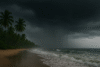
Cloudburst in the Philippines – Causes, Impacts, and the Role of the Military in Rescue Operations
Published: 2 Nov 2025
Meta Description:
Learn about the recent cloudburst events in the Philippines their causes, impact on communities and how the Philippine military serves bravely in relief and rescue operations.
Cloudburst in the Philippines
Introduction
The Philippines is known for its beautiful islands, tropical forests, and warm people but it also faces one of nature’s harshest challenges: heavy rains and sudden cloudbursts. Every year, intense downpours lead to flash floods, landslides, and destruction of homes. These bursts of rain not only affect city life but also damage crops and infrastructure, leaving thousands struggling to rebuild.
Understanding what a cloudburst is how it happens, and how the country responds especially through the efforts of its military and rescue vital for public awareness and preparedness.
What Is a Cloudburst?
A cloudburst is a sudden extreme rainfall event that happens within a short period of time usually less than an hour. Unlike normal rain, a cloudburst brings torrential rain that can release more than 100 milli meters of water per hour.
In the Philippines where warm air meets cool monsoon winds, clouds form rapidly and burst when they can no longer hold their moisture. This phenomenon can occur both in coastal cities and in the mountainous regions of Luzon Mindanao.
The Weather Pattern of the Philippines
The country’s location in the Pacific typhoon belt makes it one of the most rain prone areas in Asia. The southwest monsoon brings heavy rainfall from June to October.
During this season, cloudbursts are common, especially when monsoon clouds merge with low pressure systems or typhoons. Regions such as Metro Manila, Baguio, Cagayan Valley, and Davao often experience intense rainfall that can cause flash flooding in just a few minutes.
Meteorologists from the Philippine Atmospheric, Geophysical and Astronomical Services Administration (PAGASA) monitor these bursts carefully issuing weather alerts to prevent disaster. However despite technology and early warnings the sudden nature of cloudbursts still catches many communities off guard.
Major Cloudburst Events in the Philippines
Over the past decade several extreme weather incidents have shown how powerful cloudbursts can be.
1. The Manila Flash Floods (2023)
In August 2023 a strong burst of rain hit Metro Manila during the afternoon rush hour. Within two hours, streets were flooded, cars were submerged and thousands were stranded.
The sudden burst caused rivers to overflow particularly in areas like Marikina and Quezon City. The military and local rescue teams were immediately deployed to assist with evacuation.
2. Cagayan Valley Cloudburst (2021)
In northern Luzon continuous rain suddenly turned into a massive burst that flooded more than 40 villages. Bridges were damaged and power lines collapsed. The Philippine Army and Coast Guard rescued hundreds trapped on rooftops.
3. Mindanao Landslide (2019)
In Mindanao’s Bukidnon province a late night cloudburst triggered a landslide that buried several homes. The Philippine Air Force conducted helicopter rescues despite poor visibility showcasing the bravery and commitment of the country’s servicemen.
Each of these events serves as a reminder of the unpredictability of nature and the importance of preparedness.
Causes Behind Frequent Cloudbursts
There are several scientific reasons behind the frequent occurrence of cloudbursts in the Philippines:
- Warm, Moist Air: The tropical climate allows for rapid evaporation from the ocean filling the atmosphere with moisture.
- Mountain Ranges: When moist air rises over mountains it cools quickly and releases heavy rain.
- Typhoon Influence: Typhoons intensify the moisture content in the atmosphere increasing the chance of sudden cloudbursts.
- Climate Change: Rising global temperatures are making weather patterns more unpredictable resulting in more intense rainfall events.
These factors combine to make the Philippines one of the most vulnerable nations to weather related disasters.
Impact on People, Agriculture, and the Economy
The consequences of a cloudburst go far beyond flooded roads.
1. Human Impact
Thousands of people lose their homes every year due to flash floods and landslides. Waterborne diseases spread easily in crowded evacuation centers, while access to clean water and food becomes limited.
2. Agriculture
Farming communities in Luzon and Mindanao often suffer the most. Rice paddies, banana plantations and coconut farms are destroyed within hours of heavy rain. Farmers face months of loss and debt recovery after each major event.
3. Infrastructure and Economy
Bridges, roads and communication networks get washed away. Repairing them costs millions of pesos putting pressure on local and national budgets. Businesses close temporarily and transport delays affect trade within the islands.
4. Emotional and Psychological Toll
Beyond the physical loss many victims experience trauma. The fear of another flood or landslide often haunts communities living near rivers and mountains.
Role of the Philippine Military in Rescue Operations
During every cloudburst disaster the Armed Forces of the Philippines (AFP) play a vital role in saving lives and restoring order. Their courage and discipline shine through every mission.
1. Rapid Response and Evacuation
The military’s disaster units are trained to respond within hours. Soldiers and airmen are often the first on the scene carrying families to safety providing food and medical aid and securing flooded areas.
2. Air and Sea Support
The Philippine Air Force conducts helicopter rescues and aerial surveys to locate stranded victims. Meanwhile the Navy uses rescue boats to reach isolated communities cut off by floodwaters.
3. Medical and Relief Services
Military doctors and medics treat injured survivors distribute supplies and support the Department of Health in preventing disease outbreaks after floods.
4. Rebuilding and Rehabilitation
Once the waters recede, the Armed Forces assist in clearing debris rebuilding roads and restoring communication lines. Their tireless service reflects true dedication to the nation.
Government and Community Preparedness
The Philippine government has improved its disaster risk management over the years.
Agencies like PAGASA, NDRRMC and Local Disaster Risk Reduction Councils coordinate alerts, training and evacuation plans. Schools conduct emergency drills and local communities build early warning systems.
Still challenges remain: some rural areas lack proper drainage systems and illegal logging increases the risk of landslides. Community education and reforestation projects are crucial for long-term resilience.
Lessons from Past Cloudbursts
From every tragedy. Filipinos learn to stand stronger. These lessons include:
- The importance of listening to weather advisories.
- Storing emergency kits and keeping documents safe.
- Avoiding construction in flood-prone zones.
- Supporting reforestation to stabilize mountain slopes.
The nation’s unity during disaster times shows the Filipino spirit of helping each other without hesitation.
Future Measures and Climate Awareness
As climate change continues to alter rainfall patterns the Philippines must invest in:
- Better drainage and flood control systems.
- Real-time rainfall monitoring technology.
- Education and awareness campaigns.
- Stronger coordination between local governments and the military.
Only by combining technology discipline, and compassion can the country face the challenges ahead.
Conclusion
Cloudbursts in the Philippines are reminders of how powerful nature can be but they also reveal the strength, unity and resilience of the Filipino people.
Each burst may bring destruction yet it also brings out the best in humanity soldiers rescuing children, neighbours sharing food and communities rebuilding together.
As weather extremes become more frequent, awareness and preparedness must grow. The bravery of the Philippine military, the efforts of local governments, and the spirit of ordinary citizens together ensure that even in the heaviest rain, hope continues to shine.
FAQs
1. What causes a cloudburst in the Philippines?
A cloudburst occurs when warm moist air rapidly cools and releases heavy rainfall. It’s often linked to monsoon winds and typhoons.
2. Which areas are most affected by cloudbursts?
Regions such as Metro Manila, Baguio Cagayan Valley, and parts of Mindanao experience frequent heavy rains and flash floods.
3. How does the military help during a cloudburst?
The Armed Forces provide evacuation medical care and rescue support using helicopters, boats, and ground teams.
4. What can citizens do to stay safe during heavy rain?
Stay updated with PAGASA alerts avoid crossing flooded areas prepare an emergency kit and move to higher ground when necessary.
5. How can the government reduce the effects of future cloudbursts?
Through improved urban planning reforestation strict building codes and modern weather prediction technology.