Cloudburst in Turkey 2025: Heavy Rains, Flash Floods, and a Nation’s Battle Against Nature
Published: 3 Nov 2025
Meta Description:
In 2025, a sudden cloudburst devastated Turkey with intense rainfall and flash floods affecting cities from Istanbul. Read how people rescuers and nature clashed in this powerful story of survival and recovery.
Cloudburst in Turkey 2025: A Nation Drenched in Chaos and Courage
The year 2025 will be remembered in Turkey for a storm that turned ordinary skies into a roaring sea. What began as light showers over the Black Sea region soon transformed into a relentless cloudburst that swept across the nation. Within hours, rivers overflowed, streets vanished under water, and communities found themselves in a desperate fight against nature’s fury.
A Storm That Ignited Without Warning
Meteorologists had predicted scattered rainfall across Turkey’s northern provinces. But what no one expected was the explosive intensity of the downpour that hit on a late summer evening.
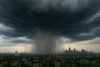
Dark clouds gathered above the Black Sea, and in less than two hours heavy rain engulfed major cities including Istanbul and Ankara. The skies unleashed torrents so powerful that drainage systems collapsed, and low-lying neighbourhoods were flooded almost instantly.
Eyewitnesses described the moment vividly: “It was as if the heavens opened all at once. The sound of rain was deafening like thousands of drums beating in the dark.”
Cities Turned Into Rivers
The chaos spread quickly. In Istanbul, vehicles floated like paper boats as adjacent roads disappeared underwater. mountain slopes gave way, triggering landslides that buried homes and blocked highways.
Ankara’s outer districts reported entire neighbourhoods isolated after flash floods destroyed small bridges. Emergency crews struggled to reach the areas as communication lines went down and power grids collapsed under pressure.
By midnight the disaster had reached national proportions. The government declared an emergency in multiple provinces as the Turkish Red Crescent mobilized to deliver aid.
The Human Side of the Disaster
Behind every number and headline were stories of survival, courage, and heartbreak.
Families huddled on rooftops waving flashlights through the rain for rescue helicopters. Volunteers waded chest-deep through muddy water to carry children to safety.
In one village a 70-year-old farmer refused to leave his house until his animals were safe — he later guided rescuers to neighbours trapped nearby.
Hospitals worked beyond capacity. Doctors treated cases of hypothermia and injuries from collapsed structures. Social media became a lifeline people posted live updates seeking help for missing relatives.
Government and Military Response
As the scale of the disaster became clear, Turkey’s government launched a massive relief operation.
The Turkish Armed Forces dispatched helicopters, amphibious vehicles and medical teams. Temporary shelters were established in schools and mosques for displaced families.
President Erdoğan addressed the nation, assuring that “no citizen will be left unaided.”
Rescue teams from surrounding countries also offered assistance, while international humanitarian groups sent supplies of food clean water and blankets.
Yet despite all efforts the sheer volume of rain made recovery painfully slow.
Nature’s Wrath and the Science Behind It
Experts explained that the 2025 Turkey cloudburst was caused by an unusual convergence of warm Mediterranean air and a cold front sweeping in from Eastern Europe. This collision created an extreme weather cell a perfect storm.
Climatologists linked the event to rising global temperatures and the increasing frequency of moisture heavy clouds forming over the Black Sea region.
“Turkey’s geography makes it highly vulnerable to sudden cloudbursts,” said Dr. Serkan Aydın, a weather scientist from Istanbul University. Steep terrain and rapid urbanization amplify the damage.
Widespread Damage Across the Nation
Early estimates showed that more than 40 provinces reported heavy rainfall and flood-related destruction.
Agricultural lands were submerged cutting off supply chains and damaging crops worth millions of dollars. Roads connecting rural villages to major cities were washed away.
Infrastructure damage was particularly severe in the north and central Turkey rail lines bridges and water treatment plants were crippled.
The human toll was heart breaking: dozens confirmed dead hundreds injured and thousands displaced. Entire families lost homes they had built over generations.
Rescue Operations and Acts of Bravery
Through the darkest hours hope flickered in acts of bravery.
Rescue divers battled fierce currents to reach trapped residents. Firefighters and civilians joined forces to clear blocked drains. Drone teams mapped flood zones to guide helicopters.
One viral moment captured global attention a police officer rescuing an elderly woman from a sinking car in Istanbul’s district. His courage became a symbol of the Turkish people’s resilience.
Local NGOs and student groups also mobilized instantly distributing food and blankets to stranded families.
A Country United in Grief and Strength
Despite the scale of tragedy Turkey came together in extraordinary solidarity. Across cities mosques opened their doors to the displaced. Strangers donated clothes, money, and food without hesitation.
Television channels ran 24-hour coverage not just reporting, but coordinating relief efforts through public hotlines.
In a time of despair, unity became the country’s greatest strength. The phrase “Birlikte Güçlüyüz” We are strong together trended nationwide.
Economic and Environmental Aftermath
The storm left behind not only physical destruction but also deep economic scars.
Repairing infrastructure rehabilitating flood victims and restoring farmlands demanded billions of lira.
Environmentalists warned of long-term consequences contaminated rivers landslides altering natural water channels, and increased risk of soil erosion.
Turkey’s tourism sector also took a hit. Several historical sites and coastal resorts closed temporarily while transport routes faced delays for weeks.
Yet amid the losses there emerged a strong national dialogue about climate resilience.
Experts urged new flood management systems sustainable urban planning and stronger early-warning networks.
Rebuilding Hope
By mid-September 2025 the floodwaters began to recede. Streets reappeared families returned to what was left of their homes, and schools reopened in temporary buildings.
Volunteers continued to help clean streets and distribute aid. International partners promised funding for reconstruction.
In Istanbul murals began appearing painted by local artists showing rain turning into flowers symbolizing rebirth after disaster.
Slowly life began again.
Frequently Asked Questions (FAQ)
Q1. When did the 2025 Turkey cloudburst occur?
The cloudburst struck in early September 2025 beginning with heavy rains over the Black Sea and spreading rapidly across multiple provinces.
Q2. Which areas of Turkey were most affected?
Northern and central regions, including Rize Istanbul Artvin and Ankara, faced the heaviest rainfall and flash flooding.
Q3. How severe was the damage?
Thousands of homes were damaged dozens of lives were lost and infrastructure across 40+ provinces suffered major losses.
Q4. What caused the cloudburst?
It was triggered by a rare atmospheric collision between warm air and a cold front from Eastern Europe, resulting in extreme moisture accumulation.
Q5. What steps has Turkey taken since the disaster?
The government launched massive rescue and rebuilding programs with increased investment in weather forecasting and flood prevention systems.
Conclusion
The 2025 Turkey cloudburst stands as one of the country’s most devastating natural disasters in recent history.
It reminded the world that nature’s power, though unpredictable can unite people in compassion and courage.
As Turkey rebuilds, it carries forward not just the memory of loss but the spirit of resilience that defines its people a nation that stood together when the skies fell apart.
Cloudburst in the Philippines – Causes, Impacts, and the Role of the Military in Rescue Operations