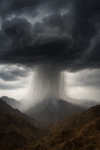
UAE Cloudburst: A Complete Overview of Heavy Rain Events and Their Impacts
Published: 14 Nov 2025
The United Arab Emirates known for its arid desert landscapes and sunny weather experiences extreme weather phenomena. Among these cloudbursts stand out as sudden intense rainfall events that can cause flash floods damage property and disrupt daily life. Despite being a desert nation the unique geography with mountains in the east urban along the coast and wadis makes it susceptible to cloudbursts. In this article we explore cloudburst events across different cities of the their effects and safety measures providing a comprehensive guide for residents and visitors alike.
What is a Cloudburst?
A cloudburst is an extreme weather event where a large amount of rainfall occurs in a very short period, typically an hour or less. Unlike regular rainfall cloudbursts are highly but can be devastating due to sudden water accumulation and lack of drainage. The UAE experiences cloudbursts mostly during the winter months, when humid air from the Arabian Gulf interacts with the mountainous regions in the east, particularly around Ras Al Khaimah.
Cloudburst in Abu Dhabi
Abu Dhabi, the UAE’s capital is mostly flat and urbanized which makes it vulnerable to water logging during heavy rainfall. Although cloudbursts are less frequent here compared to mountainous regions they have occurred sporadically especially in low lying areas.
Impact:
- Flooded roads and traffic disruption.
- Temporary closure of markets and schools.
- Occasional minor damage to infrastructure.
Precautions:
Residents are advised to avoid driving through flooded streets and to stay indoors during sudden cloudbursts. Drainage systems in Abu Dhabi are constantly upgraded to handle these rare but intense rain events.
Cloudburst in Dubai
Dubai is known for its skyscrapers artificial islands and desert surroundings. Cloudbursts in Dubai are often brief but intense creating temporary chaos in the city.
Impact:
- Short-term flooding in older districts.
- Disruption of metro and public transport.
- Risk of water entering underground car parks.
Precautions:
The government frequently issues weather alerts, and residents are encouraged to avoid low lying areas. Emergency services are trained to respond quickly during sudden rainfall events.
Cloudburst in Sharjah
Sharjah, a city that blends urban living with cultural heritage experiences occasional cloudbursts due to its proximity to the Hajar Mountains. These events can affect both the city and the surrounding desert areas.
Impact:
- Overflowing of wadis leading to temporary roadblocks.
- Minor property damage in residential areas.
- Increased risk of traffic accidents.
Precautions:
Residents should monitor local weather updates and avoid driving near wadi regions during cloudbursts.
Cloudburst in Ajman
Ajman the smallest emirate has limited drainage infrastructure, which makes it particularly susceptible to sudden heavy rainfall. Cloudbursts here are generally short lived but can cause noticeable disruption.
Impact:
- Water accumulation in streets.
- Temporary disruption to local businesses.
- Risk to pedestrians in low-lying areas.
Precautions:
Local authorities advise residents to stay alert and avoid walking or driving in flooded streets during sudden rain events.
Cloudburst in Umm Al Quwain
Umm Al Quwain with its coastal areas and traditional fishing communities faces occasional cloudbursts that can disrupt daily activities. The flat terrain of the emirate contributes to water accumulation during intense rainfall.
Impact:
- Flooded roads and minor property damage.
- Temporary suspension of outdoor activities.
- Localized power outages.
Precautions:
Residents should be aware of sudden weather changes and follow official alerts to avoid accidents.
Cloudburst in Ras Al Khaimah
Ras Al Khaimah, located near the Hajar Mountains is one of the most cloudburst-prone areas in the UAE. The mountainous terrain increases the likelihood of intense rainnfall.
Impact:
- Flash floods in wadis.
- Road closures and travel disruption.
- Damage to agricultural land and small businesses.
Precautions:
Authorities advise people to avoid valleys and mountain paths during heavy rainfall. Emergency services are stationed strategically to respond to cloudburst situations.
Cloudburst in Fujairah
Fujairah, situated on the east coast and adjacent to the Hajar Mountains frequently experiences cloudbursts. The combination of mountainous terrain and coastal humidity leads to sudden intense rainfall events.
Impact:
- Flash flooding in residential areas and roads.
- Landslides in certain mountainous regions.
- Damage to coastal infrastructure.
Precautions:
Residents are encouraged to monitor local weather reports, avoid risky areas and adhere to civil defense instructions during cloudbursts.
General Impacts of Cloudbursts Across the UAE
Although the frequency of cloudbursts is relatively low, their effects can be significant:
- Traffic Disruption: Sudden flooding makes roads impassable, causing delays and accidents.
- Property Damage: Low-lying homes, markets, and businesses can suffer water damage.
- Infrastructure Stress: Drainage systems and urban infrastructure face strain during intense rainfall.
- Health Risks: Standing water may lead to mosquito breeding and waterborne diseases.
Safety Measures and Preparedness
The UAE government has implemented several strategies to reduce cloudburst risks:
- Weather Forecasting and Alerts: The National Center of Meteorology provides timely updates.
- Urban Planning: New developments include improved drainage systems.
- Public Awareness Campaigns: Residents are educated on flood safety and emergency procedures.
- Emergency Response: Civil defense teams are ready for rapid response in affected areas.
Residents can also take personal measures:
- Avoid driving through flooded streets.
- Stay indoors during intense rain.
- Keep emergency kits ready.
- Follow official alerts and instructions.
Conclusion
Cloudbursts in the UAE though rare, are serious natural events with the potential to disrupt urban life, affect transportation, and damage property. The emirates most at risk are Ras Al Khaimah and Fujairah due to their mountainous terrain while cities like Abu Dhabi and Dubai face temporary disruptions. Preparedness, public awareness, and government interventions have significantly reduced the risks associated with these sudden rain events. Understanding the dynamics of cloudbursts and taking precautions can help residents and visitors navigate the UAE safely during heavy rainfall.
FAQ About Cloudbursts in UAE
Q1: What causes cloudbursts in the UAE?
A: Cloudbursts are caused by sudden accumulation of humid air in the atmosphere, often interacting with mountainous terrain, leading to intense rainfall.
Q2: Which UAE emirates are most affected by cloudbursts?
A: Ras Al Khaimah and Fujairah are most affected due to the Mountains. Coastal cities may experience temporary flooding.
Q3: Are cloudbursts dangerous?
A: Yes, they can cause flash floods property damage traffic accidents, and minor injuries if proper precautions are not taken.
Q4: How can I stay safe during a cloudburst?
A: Stay indoors, avoid driving through flooded streets, monitor weather updates, and follow civil defense instructions.
Q5: How often do cloudbursts occur in UAE?
A: Cloudbursts are rare but usually occur in winter months when humid air and mountains interact.