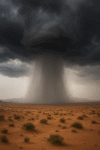
Cloudburst in Oman: Causes, Impact, and Preparedness
Published: 14 Nov 2025
Meta Description:
Discover the rare yet powerful cloudburst phenomenon in Oman — its causes, impact across cities like Muscat, Salalah, and Nizwa and how the nation is preparing for future extreme weather events.
Cloudburst in Oman: Causes, Impact, and Preparedness
Introduction
Oman, a land known for its deserts, mountains, and calm coastlines, is not typically associated with extreme rainfall. Yet in recent years the country has experienced unusual heavy floods, and rare weather patterns resembling cloudburst events. These sudden and intense rainfalls have challenged Oman’s infrastructure and prompted new discussions about climate change and disaster preparedness.
A cloudburst is an extreme amount of rain that falls in a short period usually in area. While such events are rare in the Arabian changing weather conditions and warm ocean currents have made them increasingly possible. In Oman these unexpected cloudbursts have left behind both devastation and lessons for the future.
Understanding Cloudbursts
A cloudburst occurs when a large amount of condensed water is suddenly released from clouds, leading to intense rainfall often more than 100 mm per hour. Such rainfall overwhelms the land’s capacity to absorb water resulting in floods.
In Oman’s case, the geography plays a critical role. The Mountains which stretch across the northern part of the country create the perfect conditions for moisture laden winds from the Arabian Sea to rise rapidly. As the air it cools and condenses into thick clouds, which can sometimes burst violently when the pressure becomes too great.
This combination of geography and moisture makes Oman though arid occasionally vulnerable to cloudburst like rainfall events.
Oman’s Climate and Seasonal Rainfall
Oman’s climate is predominantly dry for most of the year. The summer months bring scorching temperatures above 45°C while rainfall is usually minimal. However the Khareef season in the Dhofar region, particularly around Salalah, transforms the landscape into a lush green paradise due to monsoon moisture from the Indian Ocean.
In contrast, northern Oman especially Muscat Nizwa and Sohar experiences short bursts of heavy rainfall mainly during winter months or when tropical systems from the Arabian Sea make landfall. Over the past decade climate variations have caused unpredictable weather patterns with short intense storms that closely resemble cloudbursts.
Historical Cloudburst and Flooding Events
While Oman doesn’t experience cloudbursts frequently several extreme rainfall events have left a lasting impact:
1. The 2007 Cyclone Gonu
Cyclone Gonu was one of the most powerful tropical cyclones to ever hit Oman. Although not classified as a cloudburst, it produced extreme rainfall rates similar to one. The storm brought catastrophic flooding to Muscat, Quriyat, and Sur damaging infrastructure and homes.
2. The 2010 Cyclone Phet
Cyclone caused torrential downpours across the country. In some areas, rainfall exceeded 500 mm in just a few hours closely resembling a cloudburst. It resulted in landslides in mountain areas and heavy flooding in low-lying regions.
3. The 2022 and 2024 Heavy Rain Events
In April 2022 and again in May 2024 Oman experienced record breaking rainfall. Muscat and witnessed streets submerged in minutes, cars swept away, and emergency alerts across the country. These incidents reminded citizens that even nations are not immune to sudden extreme weather.
Regional Impacts of Cloudbursts in Oman
Muscat
As the capital city Muscat faces severe drainage challenges during sudden downpours. Cloudburst-like rains often cause power disruptions, and traffic chaos. The mountainous terrain surrounding the city channels water rapidly into urban areas floods.
Salalah
Located in the Dhofar region Salalah enjoys regular monsoon rains, but in recent years heavy bursts during non Khareef months have caught residents off guard. Flooded wadis and overflowing streams have disrupted tourism and transport.
Nizwa
Set in the foothills of the Hajar Mountains Nizwa is particularly prone to flash floods following cloudbursts. Rainwater rushing down from the mountains can quickly inundate valleys damaging roads and farmlands.
Sohar and Sur
Both coastal cities are vulnerable when intense rainfall coincides with high tides. Industrial zone and coastal villages have faced severe flooding after short lived but violent storms.
Causes Behind Cloudburst Events in Oman
1. Orographic Effect
Oman’s mountain ranges force moist air upwards leading to rapid condensation and intense rainfall once the clouds release moisture.
2. Sea Surface Temperature Rise
The warming of the Arabian Sea due to climate change contributes to more evaporation creating heavier and moisture rich clouds that can trigger cloudburst conditions.
3. Tropical Disturbances
Cyclones and depressions moving from the Indian Ocean often bring huge volumes of moisture that upon meeting Oman’s terrain can produce concentrated downpours.
4. Urban Development and Drainage Issues
Rapid urban in Muscat and other cities has reduced natural drainage paths. When heavy rain falls suddenly, water accumulates on streets and low lying areas worsening flood impacts.
Environmental and Economic Consequences
The aftermath of a cloudburst can be floods erode soil damage infrastructure, and disrupt economic activities. In Oman, roads, power lines, and communication networks often suffer the most.
Agricultural areas near and interior regions lose valuable crops due to standing water. Additionally ports and industrial zones like those in face temporary shutdowns. The financial toll of these weather events runs into millions of dollars prompting the government to flood resilience projects.
Human and Social Impact
Beyond infrastructure the human cost is significant. Residents often face property damage displacement and in extreme cases casualties. Each heavy rainfall event also reminds the population of the importance of emergency awareness.
In some instances, volunteers and local authorities have worked together to rescue stranded families, showcasing Oman’s strong community spirit during crises.
Government Response and Preparedness
Oman’s government has taken several steps to reduce the risks posed by sudden extreme weather:
- Early Warning Systems: The Civil Aviation Authority monitors weather patterns and issues alerts through mobile apps and local media.
- Improved Infrastructure: New drainage channels and flood barriers have been developed in Muscat.
- Public Awareness Campaigns: Educational programs inform citizens on how to respond to flash flood warnings and stay safe.
- Disaster Response Teams: The National Committee for Civil Defense coordinates with the Royal Oman Police and Armed Forces for rescue and relief operations.
These proactive measures have helped reduce casualties and damage during recent storms.
Climate Change Connection
Experts believe climate change is intensifying rare weather events across the Arabian Peninsula. Rising sea temperatures, increased humidity and shifting wind patterns make Oman more susceptible to sudden heavy rainfall.
While Oman cannot control global climate dynamics, it can invest in adaptation strategies stronger drainage systems sustainable city planning, and continuous research on regional weather trends.
Future Preparedness Plans
Oman’s Vision 2040 includes and environmental as key priorities. The government aims to enhance climate forecasting build smarter urban systems and strengthen cooperation with meteorological agencies.
In addition local communities are being encouraged to adopt preventive practices such as avoiding construction in flood prone wadis and ensuring proper waste management to keep drainage clear.
Conclusion
Cloudbursts in Oman may be rare, but their impact is profound. From the bustling streets of Muscat to the serene mountains of Nizwa, the country has witnessed the power of nature in its most unpredictable form.
These events serve as a reminder that climate resilience is not just a global goal it’s a national necessity. Oman’s evolving preparedness, scientific investments, and community awareness will determine how effectively it faces future storms.
Frequently Asked Questions (FAQ)
1. What is a cloudburst?
A cloudburst is an extreme rainfall event where a large amount of rain falls in a very short time, often causing flash floods.
2. Does Oman experience cloudbursts often?
No, Oman rarely experiences true cloudbursts, but it does face heavy, short-lived rainfall events that resemble cloudburst conditions.
3. Which cities in Oman are most affected?
Muscat, Salalah, Nizwa, Sohar, and Sur are among the cities most vulnerable to flooding after intense rainfall.
4. What causes cloudbursts in Oman?
A mix of geographical factors (like the Hajar Mountains), moisture from the Arabian Sea, and rising sea temperatures contribute to these events.
5. How is Oman preparing for future events?
Through better forecasting, improved infrastructure, public awareness, and disaster management systems, Oman is building resilience against future weather