Meta Title:Cloudburst in Norway: Understanding Sudden Heavy Rainfall & Its Impact
Published: 20 Nov 2025
Meta Title:Cloudburst in No
Meta Description:
Explore Norway’s cloudburst phenomenon, its causes, affected regions, effects on communities, and preparedness measures. Learn how sudden intense rainfall shapes Norway’s landscapes naturally.
Norway Cloudburst: Nature’s Sudden Fury
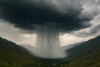
Norway, famous for its towering mountains, and scenic valleys, is a country where natural beauty meets raw environmental power. Among the many weather phenomena that Norway experiences, the cloudburst stands out for its intensity and sudden occurrence. Unlike ordinary rainfall, a cloudburst is an extremely heavy, short-duration rain event typically to a small area. While the overall impact of cloudbursts is often the suddenness of the rain can overwhelm drainage systems, affect local communities, and minor flooding or landslides in vulnerable areas.
The striking geography of Norway with its steep slopes, and narrow valleys intensifies the effects of cloudbursts. Water falling at such high intensity cannot be absorbed quickly which occasionally leads to flash water flows in small rivers or streams. However, the main phenomenon remains the intense cloudburst while floods are a secondary effect. The study of these events provides insight not only into Norway’s natural processes but also into climate change patterns affecting the region.
What is a Cloudburst in Norway?
A cloudburst is defined as a sudden heavy rainfall that typically delivers more than 100 mm of rain in a very short period sometimes just minutes. In Norway, cloudbursts occur when warm moist air from the Atlantic rises sharply along mountainous slopes. As this air cools rapidly it condenses to form towering clouds that release enormous amounts of water at once.
Unlike seasonal rainfall which is spread over days or weeks, cloudbursts sudden. A cloudburst can affect a small village or valley in minutes while neighbouring areas remain dry. The rapid rainfall can overwhelm streams, small rivers, drainage systems and occasionally roads creating temporary disruption.
Cloudbursts are not linked to a particular season but are more frequent during summer months when warm air interacts with cooler mountainous regions. These sudden events showcase nature’s unpredictability and the dynamic weather systems of Norway.
Why Norway Experiences Extreme Cloudbursts
Several factors contribute to Norway’s susceptibility to cloudbursts:
- Geography: Norway’s mountainous landscape causes moist air to rise quickly resulting in condensation and heavy rainfall. Steep slopes accelerate water flow increasing intensity.
- Proximity to the Atlantic Ocean: Western Norway receives moist winds from the Atlantic carrying abundant water into the mountains.
- Weather Patterns: Low pressure systems and fast-moving weather fronts concentrate rainfall over areas.
- Climate Change: Rising temperatures increase moisture in the air, making short-duration heavy rainfall events more frequent and intense.
- Fjord Formation: Deep and valleys act as natural channels water rapidly during heavy rain.
These factors make Norway prone to sudden and intense rainfall, which can have immediate local effects, although large scale floods are uncommon.
Most Affected Regions in Norway
Cloudbursts are more frequent in certain Norwegian regions due to geography and weather exposure. Here is a detailed look:
1. Western Norway (Bergen)
Western Norway, especially the region around Bergen and is known for some of Europe’s highest rainfall. The combination of mountains and moist Atlantic air creates ideal conditions for cloudbursts. Local rivers can swell temporarily and mountain passes may become hazardous for travels. Bergen has recorded multiple cloudburst events where 50-100 mm of rain fell within an hour, temporarily affecting roads and small infrastructure. Although floods occur, they are generally minor and short-lived.
2. Northern Norway (Tromsø, Finnmark)
Northern Norway experiences cloudbursts primarily in late spring and early summer, when melting snow contributes to river levels. In 2018, Tromsø experienced a cloudburst that dropped over 80 mm of rain in under two hours, causing temporary disruption in transportation and minor landslides in hillside areas. Residents are advised to monitor local warnings during this period, as cloudbursts can combine with snowmelt to increase water flow in rivers.
3. Eastern Valleys
The narrow valleys of Eastern Norway, including parts of Hedmark and Oppland, act as natural funnels for sudden rainfall. Cloudbursts here can trigger localized landslides and minor flooding, affecting farms, rural roads, and trails. For example, in 2020, a cloudburst in a small eastern valley caused temporary waterlogging in low-lying fields, demonstrating how even a short rainfall can impact communities.
4. Coastal Fjords
Norway’s fjords, including Sognefjord and create steep drops from mountains into narrow water channels. During cloudbursts, water runs rapidly down slopes into fjords, sometimes damaging small docks and hiking trails. While widespread flooding is uncommon the sudden water surges are noticeable in these coastal areas.
Causes of Cloudbursts
Cloudbursts are driven by a combination of natural and climatic factors:
- Rapid Uplift of Moist Air: Warm, moist air rises quickly along mountains cools and condenses, releasing sudden rainfall.
- Convection: Summer days can create pockets of warm air rising rapidly forming massive clouds in a short time.
- Atmospheric Instability: Localized weather fronts can trap moisture, releasing it all at once.
- Climate Change Effects: Warmer temperatures increase atmospheric water content intensifying cloudbursts and making them more frequent.
- Geography: Steep slopes and amplify water speed and concentration.
These elements combine to make cloudbursts sudden intense, and highly events that differ from ordinary rain.
Effects of Cloudbursts in Norway
Although flooding is generally limited cloudbursts have several direct and indirect effects:
1. Minor Flooding
Streams and small rivers may overflow briefly but large-scale floods are rare. For example, in vestland a cloudburst in 2019 caused streams to rise temporarily, affecting some roads and paths but not causing major damage.
2. Landslides
Steep terrain increases the likelihood of minor landslides. Soil saturation from a short cloudburst can trigger slope failures, especially in areas with loose soil or deforested regions.
3. Infrastructure Impact
Roads, tunnels, and hiking trails can be temporarily disrupted. Mountain passes in Western Norway are particularly susceptible to sudden closures during heavy cloudburst events.
4. Transportation Disruption
Even minor cloudbursts can cause temporary road closures or delays in ferry services in coastal areas. These events are usually short lived but highlight the unpredictability of the weather.
5. Agriculture
Farms in narrow valleys may experience temporary waterlogging. Livestock and crops can be affected if cloudbursts coincide with peak farming periods.
6. Community Preparedness
Local communities often face short-term disruption in electricity minor property damage or isolation in remote regions. Early warning systems and public awareness help mitigate risks.
Historical Examples
- Bergen, 2018: Over 90 mm of rain fell in 45 minutes, temporarily closing several roads and hiking trails.
- Tromsø, 2020: A cloudburst combined with snowmelt caused rivers to swell briefly, prompting evacuation of low-lying areas.
- Eastern Valley, 2021: Minor landslides affected farmland after 50 mm of rainfall in under an hour.
These examples illustrate the intensity and suddenness of cloudbursts, even when flooding remains minor.
Preparedness and Solutions
Norway has implemented several measures to reduce cloudburst risks:
- Early Warning Systems: Meteorological offices issue timely alerts for intense rainfall events.
- Stream and River Management: Channels and small rivers are reinforced to handle sudden water surges.
- Infrastructure Design: Roads, bridges, and tunnels are constructed to withstand water flow from cloudbursts.
- Public Awareness: Residents are educated about cloudburst safety, including evacuation routes and emergency kits.
- Monitoring Technology: Advanced weather radar systems predict areas at risk within hours.
Preparedness focuses on reducing local disruption and ensuring community safety rather than preventing the natural phenomenon itself.
Climate Change and Future Risks
Climate change is expected to:
- Increase the frequency of short-duration, high-intensity cloudbursts.
- Intensify rainfall amounts during sudden events.
- Amplify minor landslide risks in vulnerable areas.
- Require ongoing adaptation of infrastructure and community preparedness.
Norway’s monitoring systems, combined with resilient infrastructure provide strong protection but understanding climate patterns remains crucial.
Conclusion
Cloudbursts in Norway are sudden, intense rainfall events with impacts. While floods are generally minor, cloudbursts can temporarily disrupt communities, transport, and agriculture. Norway’s mountainous terrain, and valleys amplify these events, but early warning systems and preparedness reduce their impact. Studying cloudbursts helps residents and authorities plan for the unpredictable power of nature balancing Norway’s natural beauty with awareness of its environmental challenges.
FAQ: Norway Cloudburst
Q1: What is a cloudburst?
A1: A cloudburst is a sudden extremely heavy rainfall over a small area, usually lasting minutes to a few hours.
Q2: Why is Norway prone to cloudbursts?
A2: Its mountains, fjords, moist Atlantic air, and atmospheric instability create ideal conditions.
Q3: Which regions are most affected?
A3: Western Norway (Bergen, Vestland), Northern Norway (Tromsø, Finnmark), and narrow eastern valleys.
Q4: Are cloudbursts the same as floods?
A4: No. Floods may occur as a minor side effect but cloudbursts are primarily intense short-duration rainfall.
Q5: How can people prepare?
A5: Follow weather alerts, know evacuation routes, avoid vulnerable roads, and stay informed about local conditions.