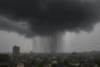
Australia Burst Cloud 2025 – Heavy Rainfall, Damage, and Safety Measures
Published: 23 Oct 2025
Meta Description:
Learn about the 2025 Burst Cloud in Australia its causes effects on cities government response and safety tips to stay protected from extreme weather.
Australia Burst Cloud 2025: Causes, Impact, and Safety Measures
In recent years, weather patterns across the world have become more unpredictable and Australia is no exception. The 2025 burst cloud event in Australia shocked citizens and experts alike as heavy rainfall and sudden cloud activity led to flooding in several parts of the country. This disaster reminded everyone of how powerful nature can be and why preparation is important for every household and city authority.
What Is a Burst Cloud?
A burst cloud occurs when a massive collection of moisture builds up in the sky and suddenly releases heavy rainfall in a concentrated area. This often leads to floods river overflow and widespread damage in just a few hours. Unlike normal rain a burst cloud is fast intense and difficult to predict.
In Australia this event is especially dangerous because the country experiences both dry and tropical weather. When moisture from warm air meets cold winds it can cause a sudden burst of rainfall known as a brust cloud.
How the Burst Cloud Formed in Australia (2025 Event)
During the early months of 2025, parts of northern and eastern Australia experienced extreme humidity and unstable air pressure. Meteorologists noted an unusual rise in sea temperature near the Coral Sea. This warm ocean air mixed with cooler winds from the south leading to heavy condensation.
The result was a powerful burst cloud that developed rapidly over inland regions before moving toward the coastal cities. Within hours towns that were dry a day before found themselves under intense rainfall. Roads turned into rivers and emergency alerts spread across media channels warning residents to move to higher ground.
Regions Affected by the Burst Cloud
The most affected areas included Queensland parts of New South Wales and sections of Victoria. Rural communities near riverbanks faced floods while low lying coastal cities struggled with drainage overflow.
In Queensland farmland suffered major losses as crops were destroyed by standing water. Local farmers described it as one of the most unpredictable weather events they had seen in decades. Urban areas experienced transportation delays power cuts and property damage.
Although emergency services responded quickly the rapid nature of the rainfall made it difficult to control water levels in time.
Human and Economic Impact
The human impact of the 2025 Burst Cloud was immense. Families were evacuated from flooded neighbourhoods schools remained closed for several days and transportation systems came to a halt. Many citizens relied on community shelters as their homes became temporarily uninhabitable.
Economically, the event caused millions of dollars in damage. Roads and bridges and public infrastructure needed repair and insurance claims rose sharply. Small businesses, especially in rural regions took months to recover.
The tourism industry a vital part of Australia’s economy also faced setbacks as travel cancel trips due to flood warnings. However the quick action of emergency responders helped minimize loss of life showing that preparedness programs implemented in previous years were effective.
Government Response and Relief Efforts
The Australian government and local councils acted rapidly once the burst cloud was identified. Emergency services issued nationwide alerts rescue boats were deployed in flooded towns and temporary relief camps were set up.
The Bureau of Meteorology improved its radar tracking systems after this event to monitor early signs of similar cloud formations. Authorities also started revising city planning strategies to strengthen drainage systems and improve flood resistant infrastructure.
Financial assistance was provided to affected families farmers and small business owners. The coordination between federal and local governments played a crucial role in reducing further losses.
Environmental Consequences
Beyond human and economic impact, the 2025 Burst Cloud had significant environmental effects. River ecosystems were disturbed due to sudden water inflow, and soil erosion increased in hilly areas. Some regions saw contamination of water supplies because floodwaters carried debris and waste into reservoirs.
On the positive side prone areas temporarily benefited from the heavy rainfall groundwater reserves and reducing bushfire risks. However experts warned that extreme rain events could also upset the balance of local ecosystems if they happen frequently.
What Australia Learned from the Burst Cloud 2025
Every disaster teaches valuable lessons. For Australia the 2025 brust cloud emphasized the importance of early warning systems and community awareness. Citizens realized that climate unpredictability requires constant readiness not only from the government but also from individuals.
Many cities began installing smart water-management systems that automatically regulate storm drains during intense rainfall. Educational campaigns were also launched to help people understand how to react when sudden weather changes occur.
The event encouraged universities and meteorological organizations to study how regional climates interact with ocean temperatures and jet streams. This research aims to predict future brust cloud formations more accurately.
Safety Tips During a Brust Cloud Event
To stay safe during heavy rain or a burst cloud people should follow a few essential steps:
- Stay Updated: Keep track of official weather forecasts from trusted local sources.
- Avoid Flooded Areas: Never drive or walk through floodwaters they can be deeper and stronger than they appear.
- Move to Higher Ground: If your area is prone to flooding, plan an evacuation route beforehand.
- Protect Important Documents: Store papers, IDs and valuables in waterproof containers.
- Emergency Kit: Keep a kit with food and water flashlight, batteries and basic medical supplies.
- Turn Off Electricity: If water enters your home, switch off the main power supply safely.
- Help Others: Check on neighbours especially the elderly or those living alone.
How Communities Can Prepare for Future Burst Clouds
Preparation begins long before the clouds form. Communities that face such unpredictable weather should focus on:
- Better Drainage Systems: Upgrading local water channels and city pipelines.
- Awareness Campaigns: Teaching citizens how to respond in emergencies.
- Flood Maps: Identifying risk zones so people know which areas to avoid.
- Tree Planting: Vegetation helps absorb rainwater and reduce surface run off.
- Regular Drills: Schools and offices conducting flood drills increase readiness.
Local councils are also encouraged to develop partnerships with meteorological departments for real time data sharing.
The Future of Weather in Australia
Experts believe that the 2025 burst cloud might not be the last. Changing climate patterns mean Australia could experience more irregular weather in coming years. However, by strengthening infrastructure, raising awareness, and maintaining unity during crises, the nation can handle future events more effectively.
This event served as a reminder that nature’s forces, though powerful can be managed through preparation community cooperation and technological innovation.
Frequently Asked Questions (FAQs)
Q1: What caused the Burst Cloud in Australia 2025?
The event was mainly caused by warm ocean air from the Coral Sea mixing with cooler southern winds creating rapid condensation and intense rainfall.
Q2: Which regions were most affected?
Northern and eastern parts of Australia including Queensland and New South Wales faced the most severe flooding and rainfall.
Q3: How can people prepare for future Burst Cloud events?
Stay informed about weather updates, prepare emergency kits, and avoid low-lying areas during heavy rainfall.
Q4: Did the government take new steps after the 2025 event?
Yes. The government improved flood warning systems upgraded drainage infrastructure and launched public awareness campaigns.
Q5: What lessons did Australia learn from this event?
The main lessons were the importance of early alerts community cooperation and long term planning for extreme weather.
Final Thoughts
The 2025 burst Cloud in Australia was a test of resilience and unity. While the event caused destruction it also encouraged progress in weather prediction city planning and public preparedness. Australia experience serves as an example for the rest of the world that knowledge teamwork and readiness are the best shields against the power of nature.