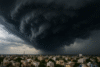
Burst Cloud in Goa 2025: Monsoon Disaster and Digital Safety View
Published: 19 Oct 2025
Meta Description:
Discover how the 2025 burst cloud hit Goa’s coastal belt what caused it how it impacted tourism and villages and how digital weather alerts and IMD technology reduced losses.
Introduction
Goa is known for its sunshine beaches, and Sea breeze but in July 2025 the state faced an unexpected burst cloud that turned paradise into panic.
Within a few hours the serene coastal towns of Panaji, Mapusa & Benaulim and Ponda were drenched by torrential rain so heavy that it matched two months of normal monsoon in a single morning.
What made this event historic was not only the rainfall but also the way digital applications and early-warning systems helped residents and tourists stay safe.
This article explores the science, effects, and digital preparedness behind the 2025 Goa burst cloud how it formed what damage it caused and what lessons it left for the future.
What Is a Burst Cloud?
A burst cloud is an intense local storm in which clouds suddenly release enormous rainfall—often over 100 mm per hour across a small area.
Such downpours usually occur when warm moisture laden air from the sea rises quickly cools and condenses over coastal or hilly terrain.
When the condensation becomes unstable the cloud burst dumping water at explosive speed.
In Goa’s case, the Arabian Sea moisture collided with hot inland air from the Western creating a perfect setup for the 2025 cloudburst.
The 2025 Burst Cloud Event in Goa
Time and Location
On 8 July 2025 between 2 a.m. and 6 a.m. Extremely heavy rain fell over North Goa particularly in Panaji Porvorim and Candolim.
Later that evening the same system shifted southward to Margao and Canacona, flooding low lying fishing villages.
Rainfall Record
IMD’s station at Panaji reported 142 mm/hour, the highest in the last 12 years.
The nearby Mandovi River rose rapidly overflowing onto roads and tourist markets.
Immediate Impact
- National Highway 66 was partially closed for 10 hours.
- Power and internet lines near Porvorim were cut.
- About 500 tourists were moved from coastal resorts to high ground.
- Local trains to Karmali and Madgaon faced 6-hour delays.
Scientific Causes of the Goa Burst Cloud
- Warm Sea Surface Temperature – The Arabian Sea was 1.5 °C warmer than average, supplying extra moisture.
- Low-Pressure Trough – A monsoon depression from the Bay of Bengal merged with a coastal low over Goa intensifying convection.
- Orographic Effect – Moist air rising along the Western Ghats cooled quickly and condensed into dense cumulonimbus clouds.
- Urban Heat Islands – Concrete zones in Panaji and Vasco trapped heat forcing warm air upward and energizing cloud growth.
- Wind Convergence – Westerly sea winds collided with easterly land breezes overnight sealing moisture over the region.
Impact on People, Tourism & Infrastructure
Goa’s identity as a tourist hub made the brustcloud’s impact unique.
1. Tourism Disruption:
Thousands of tourists were stranded at hotels as roads to beaches like Calangute and Baga became rivers. Water sports were suspended for a week.
2. Housing Damage:
Traditional laterite homes near Mapusa and Ponda suffered wall collapses. Rural villagers used community halls as shelters.
3. Economic Loss:
The tourism and fisheries sector jointly lost an estimated ₹ 250 crore due to cancellations and infrastructure damage.
4. Transport & Utilities:
Goa Airport temporarily halted operations. Electricity restoration teams used portable generators for emergency lighting in hospitals.
Digital Applications and Technology: The Game Changer
Despite the destruction, 2025 proved how digital readiness saved lives.
1. IMD Doppler Radar and Mausam App
Goa’s Doppler Radar at Vasco detected high cloud density six hours before the brustcloud. The Mausam App issued “Red Alert” notifications to smartphones statewide.
2. Goa Disaster Management Portal
The GSDMA portal integrated live rainfall maps and auto SMS alerts. Citizens received evacuation instructions in both English and Konkani.
3. Google SOS and Tourist Safety Integration
Through Google Maps SOS tourists were shown safe routes to shelters and hospitals. The Tourism Department linked hotel Wi-Fi systems to broadcast IMD updates automatically.
4. Drone Surveillance and Rescue
For the first time, drones equipped with thermal cameras surveyed flooded zones near Mandrem and Pernem guiding rescue boats at night.
5. Social Media Coordination
Goa Police and Tourism Board used Twitter (X), WhatsApp groups and Telegram channels to share verified information reducing panic and fake news.
Government Response
The Goa government activated its State Emergency Operation Center (SEOC) within an hour of the IMD alert.
- Rescue teams from NDRF and Fire Services were deployed to low-lying villages.
- Coastal Guard assisted in marine evacuations.
- Schools and community halls turned into relief centers.
- Power Grid teams restored electricity in major areas within 24 hours.
The quick reaction demonstrated how digital coordination between IMD, GSDMA, and local authorities can minimize losses.
Environmental and Social Lessons
- Protect Natural Drains: Encroachments on Goa’s khazans must stop.
- Responsible Tourism: Hotels near estuaries should maintain emergency plans.
- Tree Cover Restoration: Mangroves protect against surges and floods.
- Public Education: Annual digital drills should teach citizens to use weather apps and alerts effectively.
- Research Collaboration: Partnerships with IIT-Goa and IMD to develop micro-rain forecast models.
Future Digital Preparedness
Following 2025, Goa announced several tech-based plans:
- Installation of 50 IoT rain gauges across districts.
- Expansion of radar coverage toward the Konkan coast.
- AI forecast system linked with Google and Apple Weather APIs.
- Drone-based mapping of flood-prone villages.
- Integration of alert messages with Goa Tourism app for visitors.
The goal is clear: make Goa a digitally resilient coastal state.
Conclusion
The Burs
Burst Cloud in Goa 2025 was more than just a weather event it was a warning.
While the state faced floods and disruption it also proved how modern technology and community spirit can turn crisis into coordination.
From IMD alerts to drone rescues and tourist apps. Goa showed the power of digital preparedness.
As climate change intensifies the lessons from this burst cloud will guide not only Goa but coastal India toward a smarter and safer future.
FAQs
1. What triggered the 2025 burst cloud in Goa?
Warm Arabian Sea temperatures and air convergence over the Western Ghats caused rapid condensation and heavy rainfall.
2. Which areas were most affected?
Panaji, Porvorim, Benaulim, and Canacona faced the heaviest flooding and power cuts.
3. How did digital tools help?
IMD apps, Google SOS, and Goa Disaster Portal issued real-time alerts and maps, helping people evacuate safely.
4. Was tourism severely impacted?
Yes. Many hotels closed temporarily, but early alerts prevented major injuries or loss of life.
5. What steps are being taken for the future?
More radars, IoT rain sensors, and AI prediction systems are being installed to improve Goa’s climate resilience.