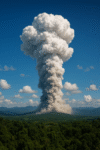
Burst Clouds in Kerala: Heavy Rainfall, Floods, and Safety Insights Burst cloud in Kerala: Heavy Rainfall, Floods, and Safety Insights Burst cloud in Kerala: Heavy Rainfall Floods and Safety Insights
Published: 15 Oct 2025
Introduction to Burst Clouds in Kerala
Kerala known as God’s Own Country has always been famous for its lush landscapes rivers, and monsoon showers. However, in recent years, the state has experienced several extreme weather events known as Burst Cloud. These sudden heavy rainfalls often accompanied by strong winds and flash floods, pose serious threats to lives, property, and agriculture. Residents and authorities alike need to understand the causes & effects and safety measures associated with BurstCloud events in Kerala.
Burst Cloud is different from regular rainfall. It brings intense rain within a short period drainage systems and rivers. This rapid accumulation of water often results in flooding & landslides in hilly areas and damage to infrastructure. Understanding Burst Cloud patterns helps communities prepare better and minimize damage.
Recent Burst Cloud Events Across Kerala
Kerala has witnessed multiple BrustCloud events over the past decade each leaving a mark on its communities. Notable incidents include:
Case Study: Kochi
Kochi, a coastal city has seen Burst Cloud events disrupting normal life. Heavy rainfalls over short periods have led to waterlogging in low lying areas traffic jams and occasional power outages. The city’s systems struggle to manage the rapid water accumulation caused by events.
Case Study: Thiruvananthapuram
The state capital experiences Burst cloud primarily during the monsoon months. Sudden bursts of rain have affected residential areas and caused temporary closure of schools and offices. Emergency services often have to respond quickly to flooded streets and stranded vehicles.
Case Study: Wayanad
Wayanad, with its hilly terrain, faces a different challenge. Burst cloud events trigger landslides in vulnerable areas, damaging roads and homes. Farmers experience crop losses when intense rainfall washes away fertile soil. Local authorities emphasize early warnings and evacuation plans to protect communities from such impacts.
Other Affected Areas
Cities like Kollam, and Idukki have also recorded significant Burst cloud events. The combination of heavy rainfall and narrow river channels makes these regions prone to flooding. Understanding local geography is key to predicting which areas might be most affected during future events.
Cities Most Affected by Burst Cloud
While Kerala has widespread rainfall, certain cities are more susceptible to Burst Cloud:
- Kochi – coastal flooding and urban waterlogging.
- Thiruvananthapuram – sudden monsoon bursts affecting transportation.
- Wayanad – landslides and road blockages.
- Alappuzha – backwater flooding and residential area inundation.
- Idukki – dam-related precautions and landslide-prone areas.
- Kollam – low-lying flood zones.
- Thrissur – urban drainage overflow during intense bursts.
Mapping high risk zones helps authorities and residents prepare evacuation plans and strengthen infrastructure.
Rainfall Statistics and Environmental Impacts
Burst Cloud events produce intense rainfall within a few hours, unlike continuous monsoon rain. Data from departments highlight the following patterns:
- Average rainfall during a BrustCloud event ranges from 75 mm to 200 mm in a few hours.
- River levels rise quickly, often exceeding safety thresholds.
- Flood-prone areas include coastal regions and low-lying urban centers.
- Hills and valleys are prone to landslides due to rapid water accumulation.
Damage to Agriculture
Burst cloud significantly affects agriculture.
Crops like rice, rubber, and spices face damage due to waterlogging and soil .
Farmers often lose significant yields during the season, highlighting the economic impact of these events.
Environmental Impacts
Sudden flooding affects local ecosystems washing away nutrients affecting fish populations, and altering soil composition. Forested areas in Kerala sometimes suffer tree uprooting and soil displacement during intense BrustCloud periods.
Causes Behind Burst cloud Occurrences
Several factors contribute to BrustCloud events in Kerala:
- Monsoon Patterns : Kerala receives the southwest monsoon from June to September. Sudden convergence of warm and moist air triggers intense rainfall.
- Topography : Hilly regions and valleys accelerate water runoff intensifying flood conditions during burst Cloud.
- Urbanization :Paved surfaces reduce natural absorption, worsening waterlogging during heavy bursts cloud.
- Climate Change : Rising temperatures increase moisture retention in the atmosphere making extreme rainfall events more frequent.
Understanding these causes allows authorities to implement preventive measures and forecast potential BrustCloud periods.
Safety Precautions During Burst Cloud Events
Safety is the top priority during any Burst Cloud event. Residents can follow these guidelines:
- Stay indoors during heavy bursts.
- Avoid flooded streets or river crossings.
- Keep emergency kits ready with essentials like food water medicines and flashlights.
- Stay updated with local weather warnings and alerts.
- Ensure proper drainage around homes and avoid dumping waste that can block water flow.
Authorities also advise planning evacuation routes especially in hilly areas prone to landslides.
Preparing Your Home
- Strengthen roof structures to withstand heavy rainfall.
- Clear gutters and downspouts to prevent water accumulation.
- Secure outdoor furniture and equipment to avoid damage during strong winds accompanying Burst Cloud.
Impact on Tourism and Local Communities
Burst cloud affects tourism, especially during peak monsoon months. Visitors may face canceled trips, flooded roads and disrupted sightseeing plans. Local businesses reliant on tourism experience temporary revenue loss.
Communities face challenges such as:
- Disrupted transport and communication networks.
- Temporary closure of schools and workplaces.
- Property damage and repair costs.
Preparedness measures and timely alerts help minimize these impacts.
Emergency Services and Rescue Operations
During major Burst Cloud events rescue operations are crucial. Emergency teams focus on:
- Evacuating residents from flood-prone areas.
- Assisting stranded individuals in cities like Kochi and Alappuzha.
- Providing temporary shelters with basic necessities.
- Coordinating with local authorities for road clearance and debris removal.
Efficient emergency response reduces casualties and ensures community safety during intense BrustCloud periods.
Preparing for Future Burst Cloud Events
Kerala’s to Burst Cloud requires proactive planning:
- Improved drainage infrastructure in cities.
- Early warning systems using meteorological data.
- Community training for emergency preparedness.
- Urban planning that accounts for flood-prone zones.
- Promoting awareness campaigns about safety precautions.
Long-term measures include reforestation maintaining river and promoting sustainable urban development to reduce the intensity of future events.
Conclusion: Staying Safe and Informed
Burst Cloud events in Kerala highlight the importance of preparation and timely action. From urban like Kochi to hilly districts like Wayanad residents must understand the risks and adopt safety measures. By combining government initiatives, community awareness, and individual preparedness, the impact of Burst cloud can be minimized.
Always remember safety and readiness are the best defense against sudden bursts of nature. Monitoring weather alerts securing homes and planning evacuation routes are simple steps that can save lives and property. Kerala’s beauty remains unmatched but respect for natural events like Burst cloud ensures sustainable living alongside nature’s unpredictability.
FAQs
1. What is Burst cloud, and how is it different from normal rain?
Burst Cloud refers to sudden intense rainfall over a short period. Unlike regular rain drainage systems and can trigger floods and landslides.
2. Which areas in Kerala are most prone to Burst Cloud?
Coastal cities like Kochi and Thiruvananthapuram, hilly districts like Wayanad and Idukki, and low-lying areas such as Alappuzha are most susceptible.
3. How can residents stay safe during a Burst Cloud event?
Stay indoors, avoid flooded streets, keep emergency kits ready, and follow local weather alerts.
4. Does Burst Cloud affect tourism in Kerala?
Yes, heavy bursts disrupt travel plans, sightseeing, and local businesses reliant on tourists.
5. Are there early warning systems for Burst Cloud events?
Yes, meteorological departments issue alerts. Communities are encouraged to monitor weather updates and follow safety advisories.