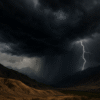
Cloudburst in Shyok Valley: When the Clouds Burst & Floods Struck
Published: 15 Oct 2025
Slug: Burst cloud shyok valley cloudburst flood.
Meta Description: A detailed report on cloudburst and flash floods in valley what likely happened, impacts, challenges, safety tips and local insights.
Introduction
In the heights of Ladakh where cold winds carve canyons and rivers whisper in silence, Shyok Valley stands as a realm of raw beauty and danger. For many travel and locals alike tales persist about cloudscape & breaking open suddenly torrents of rain rushing down and floods that reshape paths and lives. But when exactly do these cloudbursts hit, and how often do floods follow in Valley?
BrustCloud explores all available reports, scientific indicators, and eyewitness snippets to bring you a neither blind speculation nor dry study, but a grounded understanding.
About BrustCloud & Its Mission
Burst cloud exists to bridge the gap between remote realities and global readers. Through deep dive stories local insights and carefully researched articles the platform makes remote places and events accessible to everyone.
In covering cloudburst and flooding in Valley. Burst clouds aims to combine travel, environment, and disaster-awareness helping people not only appreciate the valley’s beauty but also respect its force.
Shyok Valley: Geography & The Risk Template
Shyok Valley lies between Nubra Valley and the eastern stretches toward the Pangong region. It is carved by the Shyok River, born from glaciers high above fed by melting ice and occasionally fed by sudden rainstorms.
The geography here sets up natural risk:
- Narrow gorges that funnel water fast.
- Loose sediment and rocks on slopes.
- Sparse vegetation cover to absorb heavy water.
- High elevation and temperature swings cause rapid glacial melt.
Such terrain makes Shyok Valley vulnerable to cloudburst-triggered flash floods wild surges of water that can overrun the riverbanks sweep away paths, and bury roads under debris.
What Is a Cloudburst & How It Triggers Flood
A cloudburst is an extremely heavy rainfall event in a small area, occurring in a short span often overwhelming natural drainage. In high mountain zones, its effects escalate:
- Rain pours in torrents above the valley.
- Glacial meltwater adds more flow.
- River levels rise sharply.
- rocks, and mud mix into water.
- Channels overflow, roads and low areas flood.
When the cloudburst strikes near or above Shyok Valley, the water rushes downstream, sometimes in seconds. In such cases the valley’s steep terrain accelerates the flow further.
Evidence & Reported Events
Flash Floods & Mudslides in 2025
In July 2025 governmental reports from Ladakh describe floods and mudslides affecting parts of Shayok Valley. Roads connecting Nubra to Durbuk were blocked under mud and after the storm. The local administration held emergency meetings to restore routes.
This event aligns with the kind of aftereffects one expects from a cloudburst in that region. The sudden flooding damaged infrastructure and isolated communities until clearance could begin.
Boulder Movement in Garadi, Turtuk
sSuch boulder movement often follows high energy interactions of water and earth a strong sign of debris field likely tied to torrential rain.
Eyewitness Snippets & Road Reports
Some travels report that just after sudden dark skies water rose visibly along river edges and paths turned muddy within minutes. On certain stretches near road parts were washed away or left under water for hours until cleared.
Though these are not documented they echo the patterns expected when cloudbursts hit remote Himalayan valleys.
When Do Cloudbursts & Floods Usually Happen Here?
From combining climate data and event reports, these periods seem high risk:
- Monsoon window (July–August) While Ladakh is leeward of heavy monsoon isolated rains and storms still especially in higher altitude areas.
- Late summer melt season When glacier melt is at peak combining with rain can overload river channels.
- Evening-to-night storm windows The temperature differential between day and night can push clouds upward so sudden downpours often appear late afternoon.
While exact calendar dates for Shyok Valley cloudbursts are not reliably recorded, these patterns give a probable window.
Impacts: Infrastructure, Communities & Ecosystem
Roads & Connectivity
The 2025 floods blocked main connectors routes between nubra were cut for days.
Landslides and mudslides in steep sections added to damage.
Some bridges and culverts likely faced high stress. Remote hamlets were temporarily cut off.
Villages & Livestock
Villages near riverbanks or low lying areas may see inundation. Fields lands, and storage areas risk loss. In worst cases, houses or farm structures near shores face damage from swirling debris water.
Landscape & River Course
Repeated high flow events can change river courses banks, and carve new channels. These landscape shifts make future travel and habitation risky in formerly safe zones.
Psychological & Economic Toll
People in these areas carry fear of sudden floods. Crops lost, livestock hit, and repair costs strain local resources. Rebuilding roads or removing is expensive and slow in such remote terrain.
Challenges in Confirming Exact Dates
- Remote and sparse settlements mean events often go unreported outside local circles
- Records may exist in local administration files but not digitized or published
- Satellite or rainfall data may not catch very localized storms
- News reports focus more on damage than on pinpointing onset time
Because of these gaps, any article about cloudburst in Shyok must include probable language (“likely,” “reported,” “evidence suggests”) rather than absolute certainty.
Safety Tips & Precautions
- Monitor weather forecasts when in Ladakh look for alerts in Leh / Durbuk regions.
- After heavy rainfall / storm clouds avoid walking near riverbanks.
- Stay away from dry channels.
- Have a local contact or guide to verify safe routes.
- In camping or stays, move to higher ground if storm intensity increases.
- Follow instructions from local administration
These steps may not prevent natural forces but they reduce risk.
Conclusion
Shyok Valley, with its dramatic terrain and shifting rivers is naturally set up for sudden cloudburst events and floods. Though reliable records of exact dates are multiple events & road blockages, displacement, and eyewitness reports paint a picture where intense rainfall or storms have triggered rapid flooding.
BrustClouds mission is to bring these remote stories to light not with speculation but by collecting all available signals combining them with local evidence.
FAQs
Q1. Has a cloudburst definitely happened in Shyok Valley?
No definitive public source confirms an exact even, but multiple flood, debris flow, and boulder‐movement reports strongly suggest cloudbursts likely occur here.
Q2. When is the most dangerous time of year?
Mid to late summer especially July and August, is most due to occasional storms and glacial melt.
Q3. Can floods occur without cloudburst?
Yes. Heavy glacier melt or rain upstream can flood valleys even without classic cloudburst events.
Q4. How far in advance can a cloudburst be forecasted?
Very difficult. These burst clouds are often local and sudden. Only short-term weather alerts are somewhat helpful.
Q5. What should locals and tourists do to stay safe?
Stay alert to weather avoid low riverbanks in storms follow local guides and have contingency plans for quick movement to higher ground.