Cloudburst in Badrinath when the Sacred Valley Faced the Storm
Published: 12 Oct 2025
Introduction
Badrinath is one of the most sacred places in the Indian Himalayas, has always been known for its peace, faith, and spiritual charm. Surrounded by mighty snow peaks and the holy Alaknanda River & this small town stands as a symbol of devotion and divine energy. But one unexpected evening, this calm and sacred land faced the fury of nature a sudden cloudburst that changed the valley.
The event was not just another rainfall. It was a reminder of how unpredictable the Himalayan climate. The sound of heavy rain through the valley with temple bells and mountain winds creating a scene that felt unreal and deeply moving.
The Sacred Setting of Badrinath
Before the brust badrinath was glowing in its usual divine spirit. Pilgrims walked with lamps, prayed near the river, and travel admired the sunset touching the peaks of Nar and Narayan mountains. The temple dedicated to Lord Vishnu, stood strong as it has for centuries its golden reflecting the light of faith.
This region however, is also one of the most sensitive in terms of weather and environment. The steep slopes, narrow valleys and heavy clouds often turn calm skies into storms in minutes. Locals have learned to live with these pattern but nothing could prepare them for the intensity of this particular brust.
When the Clouds Opened
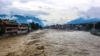
It began quietly light drops falling on stone paths, tourists rushing for cover, and monks chanting inside the temple halls. Within minutes, the rain grew fierce. The river usually calm and pure, started rising rapidly. Water rushed through the valley, carrying mud, stones, and broken wood.
Locals describe the sound as something they had never heard before. It wasn’t just thunder — it was like the sky had torn open. The cloudburst poured massive volumes of water in a very short time. Streets turned into streams, and the mountain paths that connect nearby villages vanished under the flow.
The Moment of Shock
Electricity went out across the valley. Communication broke down. Pilgrims who had come from across India were stranded in shelters and nearby hotels. The strong winds knocked down signboards and tents. The rain mixed with hail made visibility almost zero. It was as if the mountains themselves were crying.
Rescue teams tried to reach the affected areas but roads were blocked. Some parts near Mana village and the approach to the temple saw landslides.
Impact on the Local Community
After the burst passed what remained was silence filled with loss and disbelief. Houses near the river had been damaged, fields washed away, and several small bridges broken. The local economy which depends heavily on tourism was hit hard. Shops were filled , and roads were closed for days.
But the strength of Badrinath’s people showed once again locals. Army teams, and volunteers joined hands for cleaning and restoring paths. Devotees offered help, bringing food and blankets. Faith turned into action, and slowly the sacred town began to breathe again.
Environmental Lessons from the Burst
The burst in Badrinath is not an isolated event. Over the years the Himalayan region has seen multiple such incidents in valleys. Scientists believe that climate change and unplanned development are increasing the frequency of such cloudbursts.
When warm air rises quickly from the valleys and meets cold air at higher altitudes it creates dense clouds that burst suddenly releasing massive rainfall. The fragile Himalayan terrain cannot absorb this much water leading to flash floods and landslides.
Experts say that the Badrinath brust should serve as a warning not just to rebuild, but to rethink how development happens in such delicate zones. Roads & hotels and construction projects must follow environmental norms strictly to avoid future disasters.
The Spiritual Side of Survival
After the cloudbrust, priests continued morning prayers even when the temple courtyard was filled with water. People lit lamps at night believing that energy would protect their town.
Tourists who had once come for a spiritual journey found themselves part of a real-life test of patience and belief. The ringing of the temple bell, the smell of wet earth and the distant sound of the river all told one story life and faith must go on, no matter the storm.
A Glimpse into the Valley’s Recovery
Within weeks the roads reopened. The army cleared debris and rebuilt bridges. The government promised better drainage systems and weather monitoring.
Nature too began its healing.
The green slopes started blooming again.
The river cleared.
The birds returned.
Badrinath and the Future of the Himalayas
The Badrinath brust brought attention to the fragile ecosystem of the Himalayas. Experts now suggest improved early warning system and strict tourism limits. The challenge is to balance faith and tourism.
As technology improves, the dream is to create a system that warns people before such sudden brusts occur. Local weather stations and drones are already being tested for early alerts. But along with science the wisdom of local villagers who read the signs of nature remains invaluable.
Memories That Stay Forever
For those who witnessed the Badrinath brust, the memory will never fade. The smell of wet pine trees & the sound of rushing water and the image of the temple glowing under lightning are all imprinted in their hearts.
Some say that the brust was not just a storm, but a message a reminder that faith must come with respect for the environment. Mountains are sacred, and they respond to how we treat them.
Lessons from Faith and Nature
Badrinath teaches that even in moments of destruction. The brust washed away paths but not the courage of people. It tested the limits of faith but in return, it strengthened the bond between humans and nature.
When the next morning came after that dreadful night, the valley looked different broken, yet full of hope. The golden dome of the temple shone under the first sunlight, reflecting not just divine light but the courage of those who refused to give up.
Conclusion
The Cloudburst in Badrinath was more than a natural event. It was a spiritual awakening. It showed how faith, unity, and resilience can stand against nature’s fiercest tests. As the pilgrims return and the valley heals, one message remains clear:
Respect the mountains.
Protect the rivers.
And always remember storms come and go but faith is forever.Frequently Asked Questions FAQ
1. What is a cloudburst in Badrinath?
A sudden, heavy rainfall in a short time that causes flash floods and landslides in the Badrinath valley.2. When did the Badrinath brust happen?
During the monsoon season, mostly between July and September, when clouds gather over the Himalayas.3. Did the temple get damaged?
No, the Badrinath Temple remained safe. Only nearby roads and small structures were affected.4. What causes cloudburst in the Himalayas?
Warm moist air rising from valleys meets cold mountain air, creating dense clouds that burst suddenly.5. Is Badrinath safe to visit now?
Yes, roads and routes are restored. Visitors should still check weather updates before traveling.