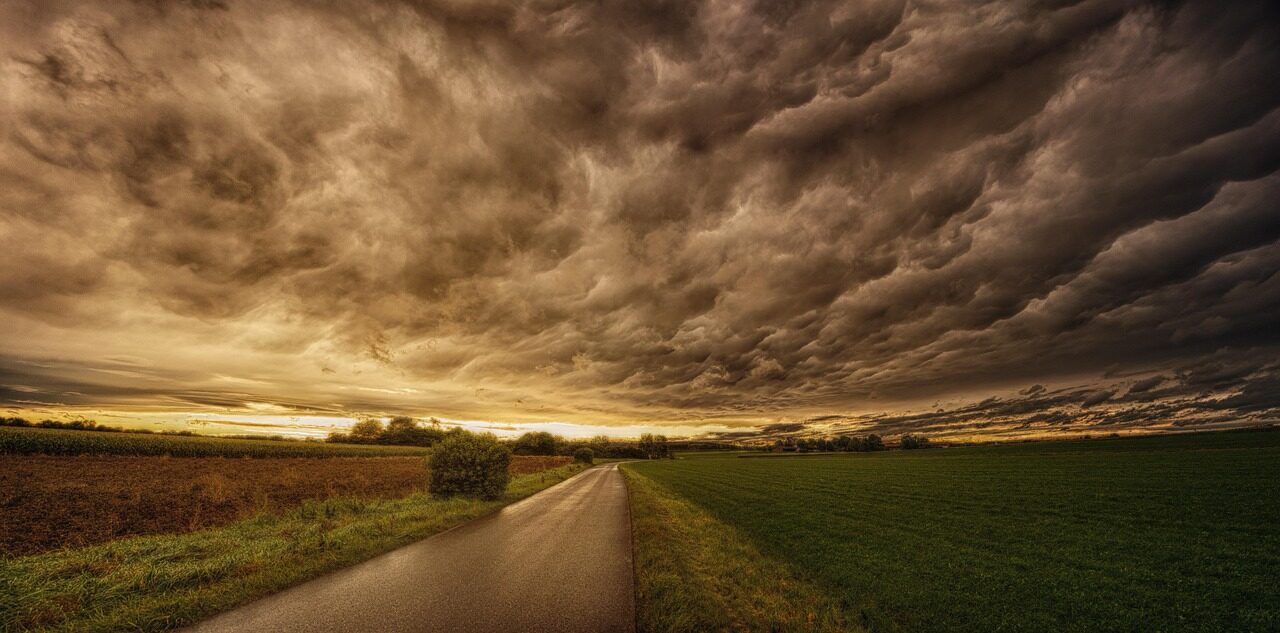
CloudBurst In Gilgit-Baltistan.
Published: 29 Sep 2025
CloudBurst in Gilgit-Baltistan Villages and Farmland Washed Away
In July 2025 Gilgit-Baltistan faced one of the worst natural shocks in decades. A sudden CloudBurst hit the mountain valleys turning calm streams into raging floods within minutes. The sky poured, and heavy rain caused rivers to overflow. The people of gilgit baltistan were unprepared for such sudden destruction.
Sudden Shock in the Valleys
The cloudburst came without warning. Early in the morning thick clouds gathered over the mountains. Villagers noticed heavy rainfall but no one expected it to turn into a disaster. Within minutes streams transformed into torrents. Water rushed down the slopes. Families tried to save their homes but many were trapped.
Destruction of Homes and Property
Entire houses were washed away. Most homes in low lying areas could not withstand the sudden flow. Roofs walls cracked and many structures disappeared under water. Livestock stored crops, and house hold belongings vanished. People could only watch as years of work and life were destroyed in a few hours. Wooden bridges connecting villages were carried away. Roads became damage. Leaving remote areas cut off from relief help.
Farmland Lost
Farmers lost their fields to the floods. Wheat and vegetable crops were submerged in muddy water. Irrigation channels were damaged, and fertile soil was washed away. For many families, farmland was the only source of income. The destruction meant months of work lost. Recovery would take years.
Villages Most Affected
Chilas, Hunza, reported the most damage. Low lying hamlets near rivers were devastated. People had to climb hills or move to safer areas quickly. Some villages remained under water for several hours. Families waded through chest-deep water to reach safety. Emergency shelters were set up, but the scale of the disaster was massive.
Human Toll
The human cost was tragic. Many people lost their lives, while others were injured or missing. Rescue teams found bodies in rivers and landslide affected areas. The trauma was visible on faces of survivors. Families mourned loved ones,. The disaster left deep scars on the local communities.
Rescue and Relief Efforts
Authorities acted quickly once the scale of damage became clear. Army teams, police and volunteers started clearing debris and rescuing trapped families. Helicopters dropped food and medical supplies in remote areas. Emergency camps provided shelter, blankets, and cooked meals. Doctors treated injuries, while mental health support helped people cope with trauma. Financial and relief packages were announced by the government.
Roads and Communication Disrupted
Roads connecting valleys to major towns were blocked by landslides and water. Landslides buried vehicles and cut telephone lines. Communication remained limited for days. Relief teams had to use alternative routes and footpaths to reach affected areas.
The destruction reminded everyone how mountain infrastructure is to sudden floods.
Importance of Early Warning
The Gilgit-Baltistan cloudburst highlighted the need for better warning systems. Villagers often have limited access to weather alerts. Early warning could save lives and reduce property loss. The disaster showed that small rivers in mountains can become dangerous in minutes. Planning, monitoring and awareness are key to reducing future risks.
Lessons for the Future
Mountain regions like Gilgit-Baltistan are prone to cloudburst during the monsoon season. Villagers authorities and development planners must work together. Roads bridges and houses need stronger construction. Farmland should have drainage systems. Local communities must be trained for emergency response. Preparedness is the only way to reduce human loss.
Recovery Process
Recovery in Gilgit-Baltistan has started but will take time. Families have to rebuild homes and clear debris. Farmers must restore fields and orchards. Bridges and roads need reconstruction. The government and NGOs are helping with supplies but the scale of damage requires patience and effort. Communities have started returning to villages to assess losses and rebuild lives.
Environmental Impact
Cloudbursts not only destroy property but also affect the environment damaged vegetation and disrupted wildlife are common. Rivers carry mud and stones, changing the landscape. Landslides can block streams, creating temporary lakes that pose future flood risk. Protecting forests and mountains.
Stories of Survival
Despite devastation stories of courage emerged. Villagers rescued neighbours carried children to safety, and shared limited food. Local youth helped elders climb to higher grounds. Communities united to face nature’s wrath. These stories remind us of human resilience even in extreme conditions.
Long-Term Measures
Long-term measures are necessary to prevent future disasters:
- Strengthen riverbanks and flood channels.
- Build houses and schools on higher ground.
- Educate communities about emergency response.
- Install weather monitoring stations in remote areas.
- Prepare local teams for rescue and first aid.
These steps can reduce loss of life and property in future cloudbursts.
Conclusion
The cloudburst in Gilgit-Baltistan of 2025 was sudden. Villages and farmland washed away families displaced, and lives lost. It was a reminder of nature’s power and human vulnerability in mountainous regions. Swift rescue efforts, community courage, and future planning are essential. Protecting lives property and the environment should remain the top priority. Gilgit-Baltistan will rebuild, but lessons from this tragedy must guide planning for years to come this come
Frequently Asked Questions (FAQs)
Q1: Why does Gilgit-Baltistan face CloudBurst?
Gilgit-Baltistan is a mountainous region. During monsoon season heavy rain can fall suddenly. Narrow valleys and steep slopes increase the risk of flooding and landslides. Poor drainage and unplanned settlements make the impact worse.
Q2: Which areas were affected the most in 2025?
The 2025 CloudBrust hit Chilas, Hunza, Ghizer, and Skardu the hardest. Villages near rivers were damages. Roads and bridges were destroyed. Many families lost homes, livestock, and farmland.