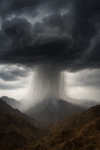
Cloudburst in Thailand: Causes, Impacts, and Preparedness
Published: 14 Nov 2025
Meta Description:
Discover detailed insights on cloudbursts in Thailand, including causes, regional impacts, historical events, and safety measures. A comprehensive guide for residents and tourists.
Severe Cloudburst in Thailand: Causes, Impacts, and Preparedness
1. Introduction
Thailand, with its lush landscapes and diverse geography, is a country that attracts millions of tourists annually. While its weather is often ideal for beach holidays and mountain treks it is also prone to extreme weather events. Among these cloudbursts have emerged as a significant concern. A cloudburst is an intense, sudden rainfall over a small area, often leading floods landslides and major disruptions to daily life. Understanding cloudbursts is crucial for residents tourists, and authorities in Thailand to reduce risks prepare for emergencies and safeguard communities.
Cloudbursts, although can cause severe destruction in a matter of minutes. Unlike rainfall they strike suddenly overwhelming natural drainage systems and urban infrastructure. Thailand’s combination of mountainous regions plains and rapidly growing urban areas makes it particularly susceptible. In this article we explore the causes of cloudbursts regions most affected historical events impacts preparedness measures.
2. What is a Cloudburst?
A cloudburst is defined as an extreme rainfall event in which a large volume of water falls in a very short period, usually less than an hour, over a limited geographic area. Typically, rainfall exceeding 100 millimeters per hour is considered a cloudburst. These events are different from ordinary heavy rains due to their sudden onset, high intensity, and the localized area they affect.
The danger of a cloudburst lies in the speed at which water accumulates and floods rivers, streets, and low-lying areas. In hilly and mountainous regions, cloudbursts can trigger landslides, wash away roads, and damage farmland.
3. Causes of Cloudbursts in Thailand
Cloudbursts in Thailand result from a combination of natural and climatic factors. These events are particularly common during the monsoon season but can occur outside it due to atmospheric instability.
3.1 Monsoon Activity
Thailand experiences two primary monsoon seasons:
- Southwest Monsoon (May–October): This monsoon brings heavy rainfall to the Andaman coast and western regions. Moisture-laden winds from the Indian Ocean rise over mountains condense and sometimes produce sudden cloudbursts in northern and western provinces.
- Northeast Monsoon (November–February): Bringing drier, cooler air from the Asian this monsoon can still trigger rainfall, particularly in the Gulf of Thailand coastal regions.
The combination of moist air temperature differences and strong winds during these monsoons can lead to sudden extreme rainfall events.
3.2 Geographic Factors
Thailand’s geography plays a crucial role in cloudburst formation:
- Northern Mountains: Chiang Mai, Chiang Rai, and Mae Hong Son feature rugged terrain, valleys, and steep slopes. When moist air from the south ascends these mountains, it cools rapidly, condenses, and produces heavy localized rainfall.
- Western Forested Areas: Dense forests and river basins can become saturated quickly, increasing flood risk.
- Urban Areas: Bangkok, although largely flat, has densely built areas with limited natural drainage, which can exacerbate flood impacts during cloudbursts.
3.3 Atmospheric Conditions
Cloudbursts often occur under unstable atmospheric conditions. Warm, moist air rising quickly and meeting cooler upper-level air triggers condensation and cloud formation. Thunderstorms may form rapidly, releasing intense rainfall in a short span of time. Atmospheric pressure changes, strong winds, and humidity levels also influence the intensity and location of cloudbursts.
3.4 Climate Change Impacts
Global climate change has intensified extreme weather events. Thailand has witnessed irregular rainfall patterns, longer dry spells, and more intense rainfall over short periods. Rising temperatures increase the moisture content in the atmosphere making cloudbursts more frequent and severe. Scientific studies predict that Southeast Asia including Thailand, will continue to experience heightened risks from such extreme events unless mitigation measures are implemented.
4. Regions in Thailand Most Affected
While cloudbursts can occur anywhere certain regions are particularly vulnerable due to geography climate, and human settlement patterns.
4.1 Northern Thailand
Northern Thailand is mountainous and experiences some of the heaviest rainfall during monsoon seasons. Cities like Chiang Mai, Chiang Rai, and Mae Hong Son are particularly susceptible to flash floods and landslides. Villages in remote valleys often face difficulties in evacuation during sudden cloudbursts. Agricultural lands in this region especially rice paddies and orchards are highly affected by flash flooding.
4.2 Western Thailand
Provinces like Kanchanaburi and Tak feature dense forests and rivers. Cloudbursts here can cause rivers to overflow rapidly, impacting nearby towns and villages. Hydro power stations bridges, and roads are often damaged causing temporary isolation of communities.
4.3 Central Thailand
The Bangkok Metropolitan Area and nearby provinces like Ayutthaya are flat and urbanized. Although these regions are not mountainous urban drainage systems can be overwhelmed by sudden cloudbursts. Flooding in low lying neighbourhoods disrupts transport, damages property, and poses health risks.
4.4 Southern Thailand
Coastal regions such as Phuket, Krabi, and Surat Thani are affected mainly during the southwest monsoon. Cloudbursts here can damage beaches resorts and tourist infrastructure, leading to economic losses. Sudden floods also threaten small fishing communities along the coast.
5. Historical Cloudburst Events in Thailand
Thailand has experienced numerous cloudburst events in recent decades. Documenting these helps in understanding patterns and improving preparedness.
- Chiang Mai Flash Floods (2011): One of the most devastating cloudbursts in the north, leading to flash floods, landslides, and the displacement of thousands of people. Local infrastructure was severely affected.
- Bangkok Urban Flooding (2017): A cloudburst caused widespread flooding in the capital city. Many low-lying districts were submerged, traffic was and businesses suffered heavy losses.
- Southern Coastal Storms (2020): Phuket and faced cloudbursts during the monsoon damaging roads, tourism facilities, and temporary closures of coastal areas.
- Mae Hong Son and Tak (2022): Smaller cloudbursts caused flooding and landslides, reminding authorities.
6. Impacts of Cloudbursts
The effects of cloudbursts can be severe, affecting the environment, society, and economy.
6.1 Environmental Impacts
- Flash Floods: Sudden flooding can submerge roads homes and farmland.
- Landslides: Especially in mountainous regions soil saturation can trigger landslides destroying forests and property.
- Soil Erosion: Heavy water flow washes away negatively impacting agriculture.
- River Overflow: Local rivers can swell rapidly affecting communities downstream.
6.2 Social Impacts
- Loss of Life and Injury: Sudden floods and landslides can endanger residents.
- Displacement: Families are forced to evacuate often moving to emergency shelters.
- Health Concerns: Stagnant water can lead to waterborne diseases and mosquito borne illnesses.
6.3 Economic Impacts
- Agricultural Losses: Crops like rice fruits and vegetables are destroyed affecting farmers’ livelihoods.
- Infrastructure Damage: Roads, bridges, and drainage systems require costly repairs.
- Tourism Disruption: Tourist areas, especially in southern Thailand face temporary closures impacting the economy.
- Business Interruption: Urban areas experience transportation and supply chain delays.
7. Detailed Case Studies
7.1 Chiang Mai Cloudburst (2011)
Chiang Mai experienced one of the most severe cloudbursts in recent history. Valleys and rivers overflowed, destroying homes roads and agricultural land. Evacuation efforts relied on local authorities and volunteers. The event highlighted the importance of early warning systems and community awareness.
7.2 Bangkok Cloudburst (2017)
A cloudburst in Bangkok submerged streets within hours. The urban drainage system was overwhelmed, causing traffic jams and property damage. Authorities responded by deploying pumps redirecting water flows, and opening shelters for affected residents. This event the need for urban planning and flood mitigation.
7.3 Phuket Coastal Cloudburst (2020)
Cloudbursts during the monsoon season damaged resorts and roads in Phuket. Emergency services worked to evacuate tourists and protect coastal infrastructure. This case study illustrated the of tourism-dependent economies and the importance of disaster management planning.
8. Preparing for Cloudbursts
8.1 Early Warning Systems
Thailand’s Meteorological Department provides alerts and forecasts. Mobile apps and community alert systems ensure timely dissemination of warnings.
8.2 Community Preparedness
Local communities should have evacuation plans emergency shelters and training programs. Community drills increase awareness and response efficiency.
8.3 Infrastructure Planning
Urban areas need reinforced drainage systems flood barriers and landslide prevention structures. Riverbanks and slopes should be strengthened to withstand sudden water flow.
8.4 Individual Safety Measures
Residents should avoid low lying areas keep emergency kits ready and follow official warnings. Temporary relocation may be necessary for vulnerable populations.
8.5 Tourist Awareness
Tourists should monitor weather updates avoid trekking in mountainous areas during monsoon season, and follow guidance from local authorities.
9. Climate Trends and Future Outlook
With global temperatures rising, extreme rainfall events are expected to increase in frequency and intensity. Southeast Asia, including Thailand, is likely to experience more cloudbursts in the coming decades. Effective management improved urban planning, sustainable water management, and community engagement are essential to mitigate risks.
10. Conclusion
Cloudbursts are sudden intense rainfall events that pose significant threats across Thailand. From northern mountains to southern coasts they can damage infrastructure disrupt communities and endanger lives. Understanding causes, monitoring weather and implementing preparedness measures are crucial for reducing the impact. As climate change intensifies Thailand must focus on early warning systems resilient infrastructure and public awareness to protect its population and economy.
11. FAQ
Q1: What is a cloudburst?
A cloudburst is a sudden intense rainfall event over a small area often causing flash floods and landslides.
Q2: Which regions in Thailand are most prone to cloudbursts?
Northern provinces like Chiang Mai, Chiang Rai western areas such as Kanchanaburi, and southern coastal regions are most affected.
Q3: How can residents prepare for cloudbursts?
Stay informed through alerts follow evacuation plans reinforce homes and avoid flood prone areas.
Q4: Are cloudbursts becoming more frequent?
Yes, due to climate change extreme rainfall events are increasing in frequency and intensity.
Q5: What should tourists do during a cloudburst?
Monitor local weather updates avoid outdoor activities and follow guidance from authorities.